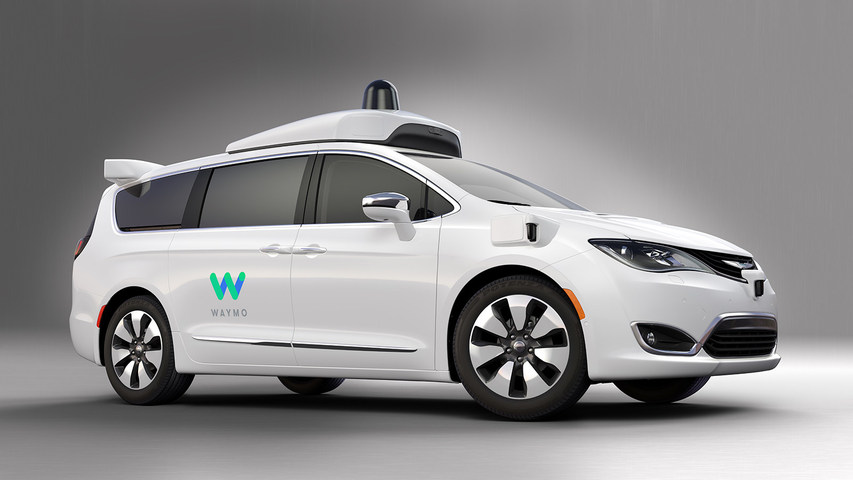


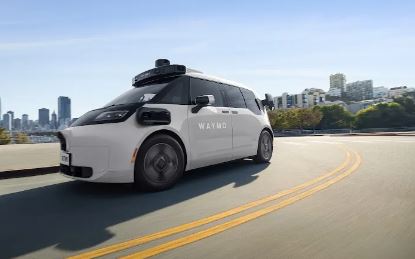

Precise location technology has long been central to Waymo and other autonomous vehicle systems
Waymo has temporarily suspended commercial robotaxi service on freeways across the United States after the California Department of Motor Vehicles barred the company’s autonomous vehicles from state freeways, citing a series of traffic incidents.
The DMV order, which took effect Nov. 11, followed episodes in which Waymo vehicles entered active construction zones and one in which a robotaxi attempted to pass California Highway Patrol units conducting a traffic break. Officials said the vehicles posed an imminent hazard to public safety, particularly to construction workers and equipment. Similar issues had arisen earlier in the year.

Waymo said the recent construction-zone encounters on U.S. Highway 101 involved no injuries or collisions. In response, the company restricted commercial freeway rides in all markets where it offered the service, including the San Francisco Bay Area, Los Angeles, Phoenix, Miami and Austin, Texas, while continuing operations on city streets and limited testing with safety specialists.
Precise location technology has long been central to Waymo and other autonomous vehicle systems. High-accuracy GNSS receivers, combined with detailed high-definition maps, lidar, cameras and inertial sensors, enable the vehicles to determine their exact position on the road in real time — a capability that becomes especially critical at highway speeds and in changing environments such as construction zones.
“The impact of the announcement is to undermine progress Waymo had made toward offering service to and from airports in select cities — a lucrative capability,” industry veteran Roger Lanctot wrote in a LinkedIn post analyzing the decision. He added that the episode highlights ongoing challenges robotaxis face with work zones and the limits of relying solely on onboard sensors.
Waymo said it is working with California regulators to address the issues and resume freeway operations. The company’s surface-street ride-hailing service continues without interruption, handling more than half a million trips each week.